
Ages 2–19 · in central Tartu
Quality, versatile dance education for children and youth
A carefully built system of study guides each dancer from the playful joy of movement to clean technique, and from there confidently onto the stage. Every level has its own clear goal — from the age of two.
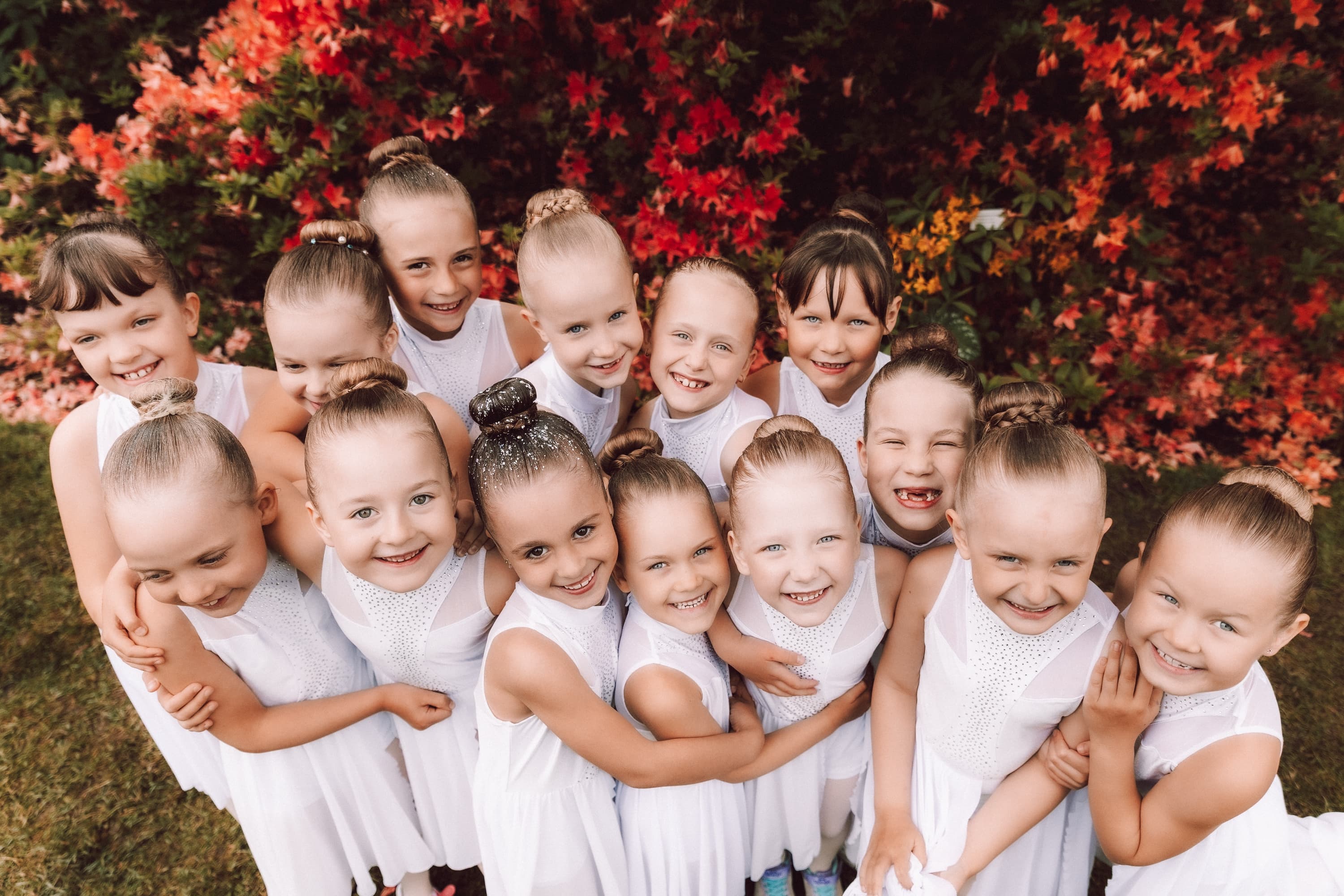
System of study
Four paths, one dance school
Study runs from the early years through the levels of the core programme to pre-professional training. Adults have their own hobby groups. Open a section and see which groups are on offer.
- Dance gymnastics for toddlersages 2–3
- Dance gymnastics | GROUPS 1 and 2ages 3–6
- Children's dance | GROUPS 1 and 2ages 4–7
Early years
A first taste of dance — and dance friends
ages 2–7
In the early years a child has their first experience of dance and movement. Play, rhythm and joy come before technique. Every class is built around the child's age and development.
- Dance gymnastics for toddlers (ages 2–3)
- Dance gymnastics | GROUPS 1 and 2 (ages 3–6)
- Children's dance | GROUPS 1 and 2 (ages 4–7)
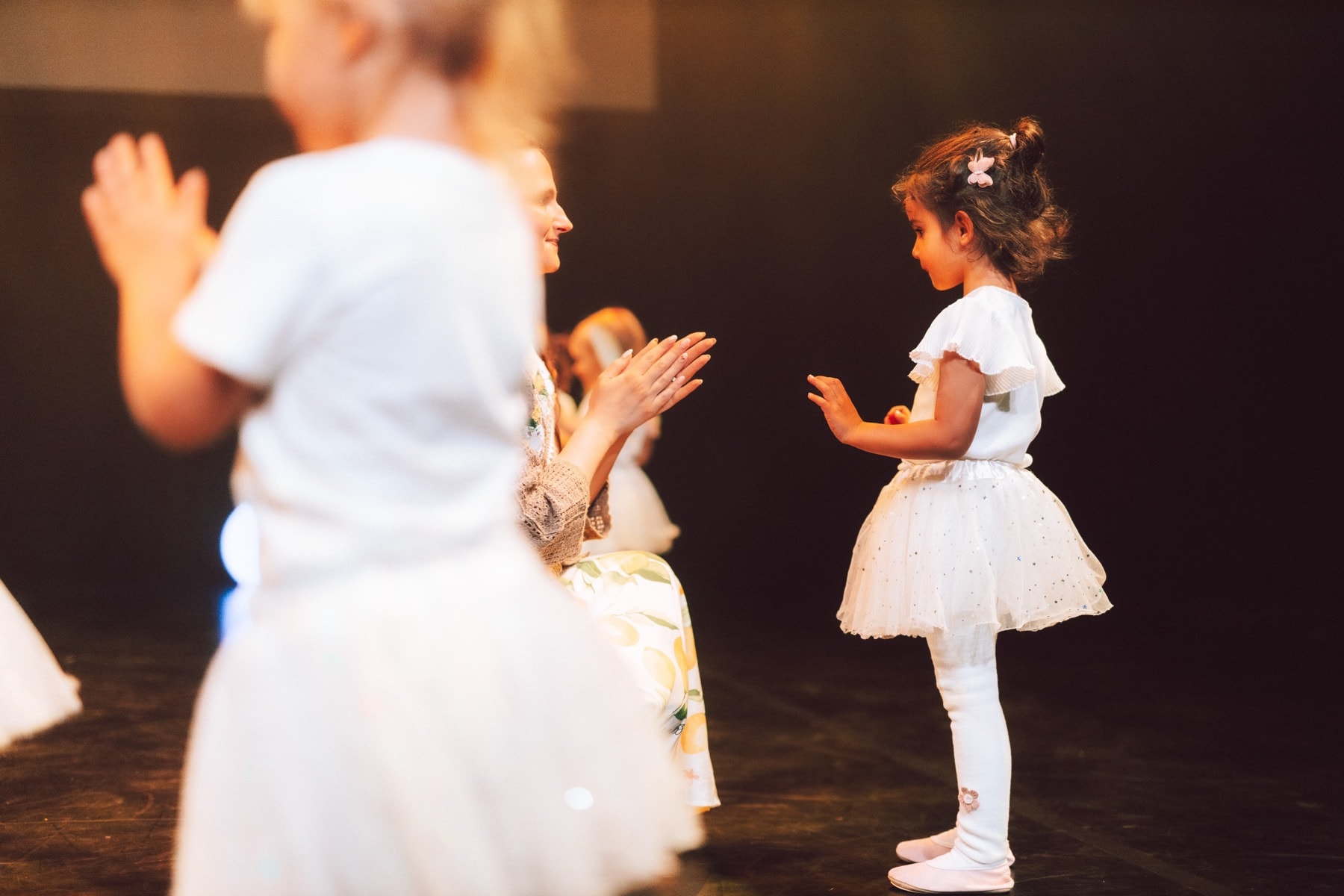
Level I · core programme
Engaging dance technique and choreography
grades 1–4
In Level I a child learns the first foundations of dance technique. Play doesn't disappear, it gains structure. The first stage experience comes at the spring concert and at festivals.
- Level I A (grade 1)
- Level I E (grades 2–4)
- Level I K (grades 2–4)
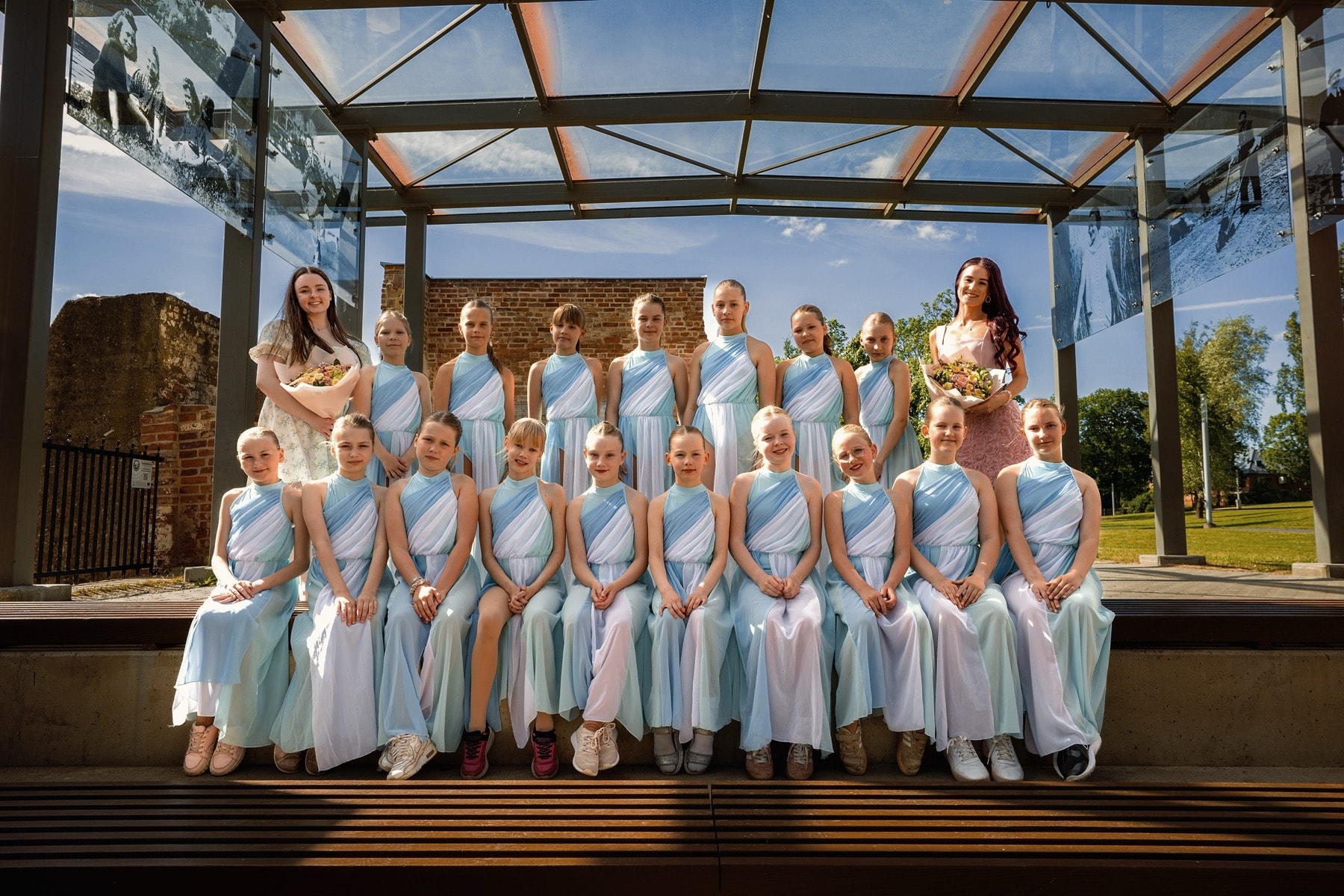
Level II · core programme
Stage dance and performances
grades 4–6
In Level II technique becomes more precise and the body more aware. Students work across several styles and perform at festivals and competitions. Classes are held three times a week.
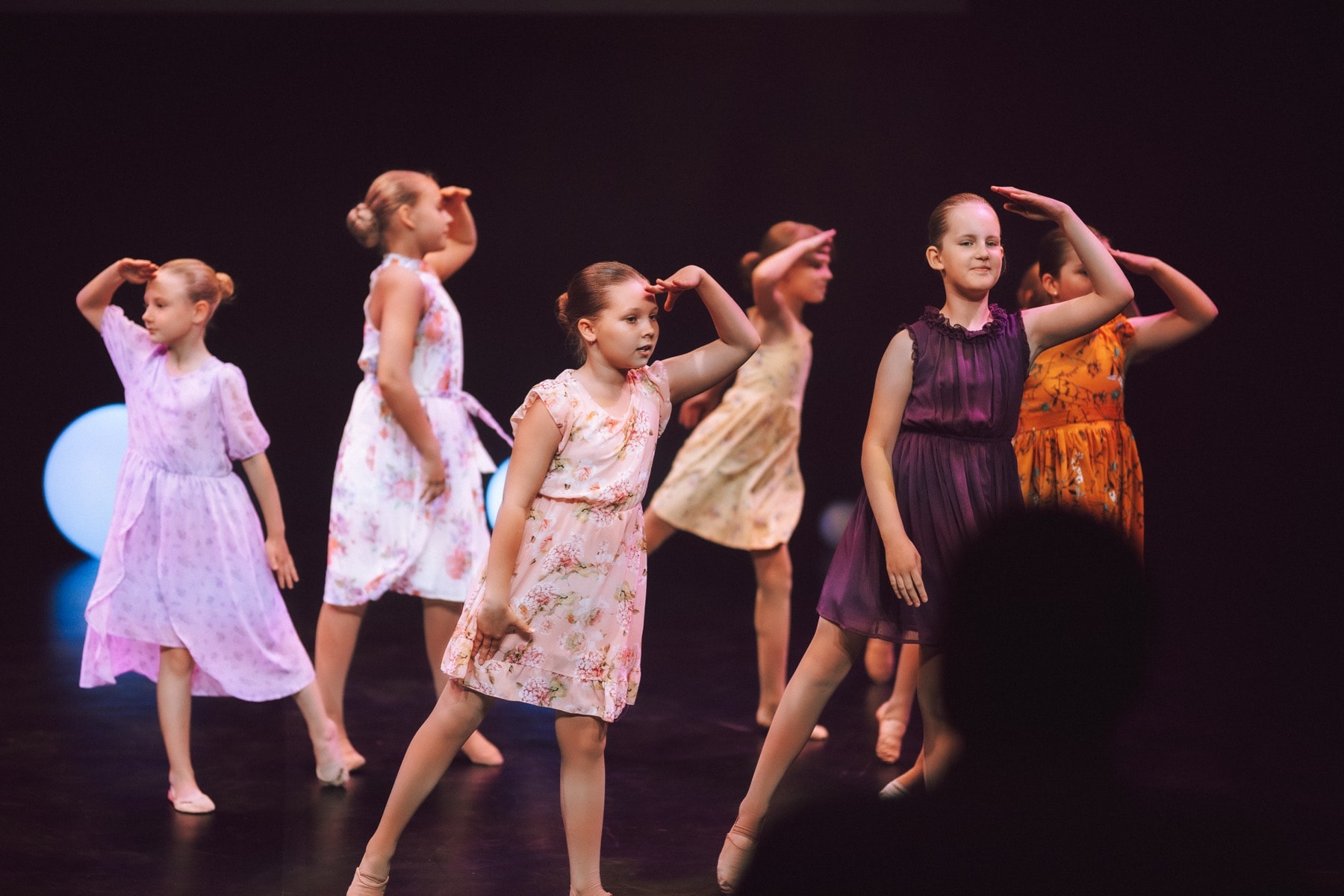
Level III · core programme
Advanced study and your own signature
grades 6–9
In Level III a dancer deepens their style, finds their character and grows into a confident performer. Young people get to help shape the dance school. Classes are held three times a week, 75 minutes each.
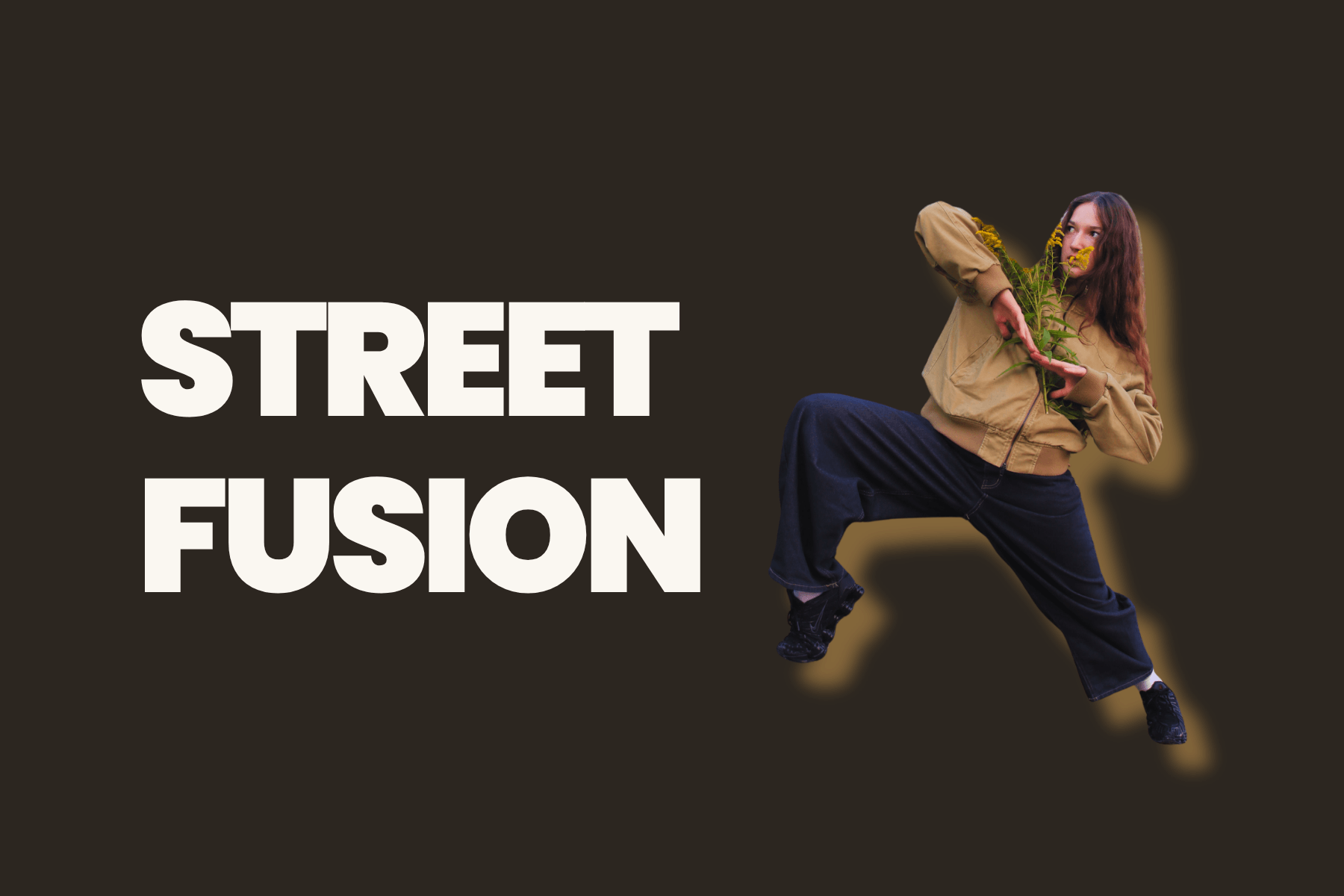
Street dance · new direction
Street Fusion — energy and your own style
grades 2–5
New from the 2026/27 season. Street Fusion blends street-dance styles and gives a child a place where rhythm, energy and personal expression come first. Classes are held twice a week, led by Daili Kruusamägi.
- Street Fusion (grades 2–5)
Solo study · advanced training
The solo dancer's deep study
For dedicated dancers
Solo study is individual, in-depth training for young dancers who want to refine their technique, create a distinctive solo piece and prepare for competitions and festivals. A mentor works one-to-one with the student, following a personal development plan.
We always begin with a conversation: which style speaks to the dancer, what their goals are and what music suits the solo. From there we build choreography and technique step by step.
Number of classes
1× a week
50–60 minutes
Hours per year
20 hours
September–May
Time
By arrangement
between dancer and mentor
Mentor
Your choice
from Ciara's dance teachers
Tuition
800 €
a year · 4 × 200 €
What we build in solo study
- A personal solo piece that carries the dancer's own story
- Deepening technique: jumps, turns, expression and spatial awareness
- Confidence alone on stage
- Competitions and festivals: Koolitants, Kuldne Karikas, Dancestar, Spotlight Challenge
Solo-study recognitions
- Riga International Dance Olympiad, 1st place (2017, 2019)
- Spotlight Challenge Contemporary Dance, 1st place (2023)
Practical
Tuition
The dance school charges tuition, not a monthly fee. Tuition depends mainly on the weekly training load, which generally corresponds to the study level. If a student trains more or less than usual, the tuition changes accordingly. The annual fee is split into four equal instalments: September, November, February and May. The first trial lesson is free, with no obligation.
Calculate your tuition
Choose a level and load
Your tuition per year
848 €
Cost of a place 1079 €, of which the municipal activity subsidy covers 231 €.
Instalment (4× a year)
212 €
September, November, February and May.
Part of the study-place price is covered by the municipal activity subsidy (KOV tegevustoetus). The same tuition applies to every family, regardless of where you live. It assumes your municipality pays a KOV tegevustoetus (activity subsidy) of 231 € per student; for Tartu city residents this is always met. If your municipality pays less, we issue an invoice for the difference at the end of the school year — exact terms are set out in the enrolment agreement.
Early years
Ages 2–7. The municipal activity subsidy doesn't apply to early years; the parent pays the full tuition.
| Group | Load | Tuition per year | Instalment (4×) |
|---|---|---|---|
| Dance gymnastics for toddlers | 1× 40 min a week | 504 € | 126 € |
| Dance gymnastics, Children's dance 2 | 2× 40–45 min a week | 592 € | 148 € |
| Children's dance 1 | 3× 45–60 min a week | 780 € | 195 € |
Dance gymnastics for toddlers
1× 40 min a week
Dance gymnastics, Children's dance 2
2× 40–45 min a week
Children's dance 1
3× 45–60 min a week
Core programme
Levels I, II and III plus Street Fusion (grades 1–9). One tuition fee for every family, regardless of home municipality.
| Group | Load | Cost of a place | Your tuition per year | Instalment (4×) |
|---|---|---|---|---|
| Level I A · grades 1–2 | 3× 60 min a week | 1079 € | 848 € | 212 € |
| Level I E · grades 2–4 | 3× 60–75 min a week | 1079 € | 848 € | 212 € |
| Level I K · grades 2–4 | 2× 60 min a week | 995 € | 764 € | 191 € |
| Level II · grades 4–6 | 3× 75 min a week | 1191 € | 960 € | 240 € |
| Level III · grades 6–9 | 3× 60–90 min a week | 1191 € | 960 € | 240 € |
| Street Fusion · grades 2–5 | 2× 60 min a week | 995 € | 764 € | 191 € |
Level I A · grades 1–2
3× 60 min a week
Cost of a place 1079 €, of which the municipal activity subsidy covers part.
Level I E · grades 2–4
3× 60–75 min a week
Cost of a place 1079 €, of which the municipal activity subsidy covers part.
Level I K · grades 2–4
2× 60 min a week
Cost of a place 995 €, of which the municipal activity subsidy covers part.
Level II · grades 4–6
3× 75 min a week
Cost of a place 1191 €, of which the municipal activity subsidy covers part.
Level III · grades 6–9
3× 60–90 min a week
Cost of a place 1191 €, of which the municipal activity subsidy covers part.
Street Fusion · grades 2–5
2× 60 min a week
Cost of a place 995 €, of which the municipal activity subsidy covers part.
What tuition includes
Classes with specialist dance teachers, extra rehearsals for performance practice, the concert performance, free hall use by arrangement, dance-school events, development talks and the summer place fee. New students get one free trial lesson.
Four instalments
Tuition is an annual fee split into four equal instalments: September, November, February and May.
What the municipal subsidy is
Estonian local governments support hobby education for 7–19-year-olds: the municipality (KOV) pays part of the cost of a study place and the parent pays the rest. The subsidy goes straight to the school and reduces what your family pays.
Why Tartu pays a higher rate
Tartu city's subsidy rate depends on the school's standard. Ciara meets the conditions for the highest rate: professionally qualified teachers, a curriculum of at least six years, and yearly reporting of the school year's achievements. That brings Tartu's subsidy to €285 per student.
One tuition fee for everyone
The tuition shown applies to every family alike, regardless of where you live. It assumes your municipality pays a subsidy of €231 per student — for Tartu city residents this is always met.
If your municipality pays less
Some municipalities pay a lower rate. In that case we issue an invoice for the difference at the end of the school year. The exact amount and terms are set out in the enrolment agreement.
Early years and tax relief
The subsidy is meant for 7–19-year-olds, so early-years (ages 2–6) tuition is fully the parent's responsibility. Income-tax relief applies to everyone: as a state-recognised private hobby school, tuition is eligible for income-tax refunds.
Tuition includes all timetabled training classes, performances and specialist guidance. External participation fees (festivals, competitions) are not included. Adult and social-dance prices are on the adults' page.
FAQ
Frequently asked questions
My child hasn't danced before – will they manage?
Of course they will. Most children come to us with no experience at all – that's exactly where we begin. The teacher adapts each lesson to the child's own pace and skills, so no one falls behind or has to compare themselves to others.
What should I bring my child to the first lesson?
For the first lesson, comfortable movement clothes, clean socks and a water bottle are all you need – nothing special required. Dance supplies (foot thongs, dance slippers and performance gear) can also be bought on site, at our dance shop, whenever you like.
What if the group doesn't suit my child – can we change it?
Of course. If you feel the group isn't quite right, we'll talk with the teacher and find a better fit for your child – whether in workload or timing.
How can we end the enrolment, if the need arises?
Just let us know in writing at least 30 days before the start of the new study period. All the detailed terms are set out in the enrolment agreement.
Google reviews
What parents say
22 reviews · on Google
At Ciara Dance School you feel at home. The teachers are genuinely warm and highly skilled – they don't just teach dance technique, they truly care about every child and their development. Read more
At Ciara Dance School you feel at home. The teachers are genuinely warm and highly skilled – they don't just teach dance technique, they truly care about every child and their development. Classes strike a lovely balance – the work is dedicated, yet there is always room for creativity and joy. I love how thoughtfully the training is structured – the load and goals suit each age. Every child can develop at their own pace and feel taken into account. The training volumes are just right, so children still have plenty of time for rest, friends and other lovely activities. It's a pleasure as a parent, too – the parents are supportive and close-knit; we cheer each other on and celebrate together. It feels like one big, wonderful family. Competitions and performances are always well organised and give the children so much joy and confidence. There are also fun, memorable events that bring us even closer together. This year's spring concert was on another level – very professionally staged, beautifully showing everything learned over the year. It included every single student and teacher – so heartfelt, sincere and memorable! 🩷 Ciara truly is a special place – here, dance is much more than steps. It is joy, self-expression and friendship. I recommend it with all my heart! 💛
Truly caring teachers who put the child's development first. Alongside dance classes there are plenty of competitions and fun get-togethers with the groups, which builds a real sense of unity. Each child's development is taken into account, and parents are involved when needed. A wonderful community!
The first lesson is free. Come and see.
We'll talk about which group suits your child best.
Join Ciara